

At MidTown Dental Care, Dr. Laura Russell, Dr. AnnMarie Hoyme, Dr. Karla Schmidt, and Dr. Mark Crego provide comprehensive dental implant treatment in one convenient location. From your initial evaluation and advanced 3D imaging to bone grafting when needed, implant placement, and your final custom restoration, our team can coordinate each stage of your care.
Whether you recently lost a tooth or have lived with a gap for years, we can help you determine whether a single dental implant is the right solution to rebuild your smile.
Schedule a Dental Implant Consultation
What Is a Single-Tooth Dental Implant?
A single-tooth dental implant is designed to replace a single missing tooth without relying on the surrounding teeth for support.
The restoration typically has three main components:
The dental implant is a small post placed into the jawbone where the natural tooth root was previously located.
The abutment connects the implant to the final restoration.
The dental crown is the visible portion of the replacement tooth and is designed to complement your surrounding smile.
After the implant is placed, the surrounding bone heals and integrates with the implant. Once the implant has achieved appropriate stability, the final restoration can be completed.
The result is a replacement tooth designed to provide the appearance and function of a natural tooth while receiving support from the jaw rather than adjacent teeth.
When Should You Replace a Missing Tooth?
If a missing tooth is not especially visible, it can be tempting to leave the space alone. However, replacing a tooth is not always just a cosmetic decision.
After tooth loss, nearby teeth can gradually shift toward the open space. This movement may affect your bite and create areas that are more difficult to keep clean. Depending on the location of the missing tooth, chewing may also become less efficient.
The jawbone in the area can change as well. Natural tooth roots stimulate the surrounding bone through normal biting and chewing. When the root is no longer present, the bone in that area may gradually decrease.
A dental implant replaces the missing root and transfers forces into the surrounding jawbone, helping maintain support in the area.
Benefits of Replacing One Missing Tooth With a Dental Implant
For the right patient, a single dental implant offers several important advantages.
It Does Not Depend on Neighboring Teeth
One of the most significant differences between a dental implant and a traditional dental bridge is the source of support for the restoration.
A traditional bridge generally uses neighboring teeth as anchors for the replacement tooth. Those teeth must be prepared to accommodate dental crowns.
A single dental implant stands independently. Healthy neighboring teeth generally do not need to be altered to support the implant restoration.
It Looks Natural
The final dental crown is customized to work with the surrounding smile. Its shape, proportions, and appearance are planned to create a natural-looking result.
This can be especially important when replacing a tooth that is visible when you smile.
It Restores Function
A missing tooth can make chewing certain foods more difficult or cause you to favor one side of your mouth.
Once appropriately healed and restored, an implant-supported tooth is designed to provide stable function for everyday biting and chewing.
It Helps Support the Jawbone
Because the implant is positioned within the jaw, it interacts with the surrounding bone in a way that a traditional tooth-supported bridge cannot.
This is one reason dental implants are often considered when planning a long-term solution for a missing tooth.
It Can Provide Long-Term Value
Dental implants are designed as a durable tooth-replacement solution. With excellent oral hygiene, regular dental care, and appropriate maintenance, an implant can remain functional for many years.
The crown attached to the implant can experience normal wear over time and may eventually need maintenance or replacement.
Dental Implant or Bridge: Which Is Better for One Missing Tooth?
Patients frequently ask whether they should choose a dental implant or a dental bridge.
Both can effectively replace a missing tooth, but they accomplish the goal differently.
A traditional bridge fills the space using a replacement tooth supported by crowns on neighboring teeth. This may be an appropriate solution when those neighboring teeth already need crowns or when implant surgery is not recommended.
A dental implant replaces the missing tooth independently. Because it receives its support from the jawbone, neighboring healthy teeth generally do not need to be prepared to support the restoration.
There are other considerations as well, including bone availability, gum health, treatment timeline, cost, medical history, and the condition of surrounding teeth.
There is no universal answer that applies to every patient. During your consultation at MidTown Dental Care, we can evaluate your smile and explain the advantages and considerations of both options.
What Is the Single-Tooth Dental Implant Process?
Your treatment is planned around your individual needs rather than a one-size-fits-all timeline.
1. Implant Consultation and Evaluation
We begin by examining the missing-tooth area, surrounding teeth, gums, bite, and overall oral health. We also discuss how the tooth was lost and how long it has been missing.
Advanced imaging helps us evaluate the underlying jawbone and anatomical structures that cannot be fully assessed during a visual examination.
2. Treatment Planning
Our doctors use the information gathered during your examination and imaging to determine the appropriate implant position and develop your treatment plan.
If another tooth is still present but cannot be saved, an extraction may be part of the process.
3. Bone Grafting When Necessary
Some patients have enough healthy bone to proceed with implant treatment without grafting. Others may need additional bone support.
Bone loss can occur after a tooth has been missing for an extended period or because of infection, periodontal disease, trauma, or other factors.
If bone grafting is recommended, MidTown Dental Care can incorporate it into your overall treatment plan.
4. Dental Implant Placement
The implant is carefully positioned in the planned location within the jawbone.
MidTown Dental Care also offers advanced Yomi robot-assisted dental implant technology. Yomi provides real-time guidance to the dentist based on the digital treatment plan while the dentist remains in control of the procedure.
5. Healing
After placement, the implant needs time to heal and integrate with the surrounding bone. The length of this phase varies depending on your health, bone quality, implant location, and whether additional procedures were required.
6. Your Final Dental Crown
Once the implant has achieved appropriate stability, the final restoration can be completed.
Your implant crown is designed to restore the appearance and function of the missing tooth so it fits comfortably into your smile.
Complete Implant Treatment at MidTown Dental Care
Having multiple phases of dental implant treatment does not necessarily mean visiting multiple practices.
At MidTown Dental Care, we provide comprehensive implant care from implant placement through the final restoration, including bone grafting when necessary.
Keeping treatment coordinated within one practice allows our doctors to plan your care with the final result in mind from the beginning.
Our implant team includes Dr. Laura Russell, Dr. AnnMarie Hoyme, Dr. Karla Schmidt, and Dr. Mark Crego. Their combined experience, advanced technology, and comprehensive approach allow us to create personalized solutions for patients replacing missing teeth.
Dr. Crego alone brings more than 40 years of dental experience to the practice and has a particular interest in implant placement, crown and bridge dentistry, and incorporating dental technology into patient care.
Yomi Robot-Assisted Technology for Single-Tooth Implants
Precise planning is particularly important when replacing a single missing tooth because the implant must fit within the available space between neighboring teeth and align with the patient’s overall bite.
MidTown Dental Care uses Yomi robot-assisted technology for dental implant surgery.
Using a digitally planned implant position, Yomi provides real-time guidance and haptic feedback during the procedure. The dentist performs the surgery and remains in control, using the technology to help ensure the planned implant location, angle, and depth are maintained.
Our dedicated Yomi Robot-Assisted Dental Implants page explains this technology and its role in implant treatment in greater detail.
A Recent Implant Patient’s Experience
Choosing an implant dentist is an important decision, particularly when your treatment involves surgery and several stages of care.
After recently receiving a dental implant at MidTown Dental Care, patient Sharese Neal left a five-star Google review, describing the dental surgeon as “great at what she does” and praising the staff, the clean environment, and the timely appointments.
Most importantly, Sharese shared that she was finally able to “smile with confidence again.”
Helping patients regain that confidence is one of the most rewarding aspects of replacing a missing tooth.
How Much Does a Single-Tooth Dental Implant Cost?
The cost of replacing one tooth with an implant depends on the treatment required.
Factors can include:
- Whether the damaged tooth needs to be extracted
- Amount of available jawbone
- Whether bone grafting is necessary
- Complexity of implant placement
- Type of final restoration
- Dental insurance benefits
- Individual treatment needs
Because these factors vary, an examination is necessary to provide an accurate treatment estimate.
At your consultation, we’ll explain the recommended treatment and associated costs so you can make an informed decision.
Financing Your Dental Implant
Cost should be part of the treatment conversation from the beginning.
MidTown Dental Care offers several payment and financing options, including CareCredit, Cherry, and Sunbit. In-house financing is also available for certain procedures.
We accept many traditional dental insurance plans and are preferred providers for most PPO plans. Our team can help you understand applicable benefits and available payment options before beginning treatment.
Ready to Replace Your Missing Tooth?
Schedule a consultation with our Wauwatosa dental team to find out whether a single-tooth dental implant is right for you.
Schedule an Implant Consultation
Single-Tooth Dental Implant FAQs
How long does a single-tooth dental implant last?
Dental implants are designed to be a long-term tooth-replacement option. With appropriate oral hygiene, professional dental care, and healthy habits, the implant itself can remain functional for many years. The dental crown attached to it may eventually require maintenance or replacement because of normal wear.
How long does it take to replace one tooth with an implant?
Treatment time varies. Patients who need an extraction, bone graft, or additional healing may have a longer timeline than someone who is ready for implant placement immediately. The implant also generally requires a healing period before the final restoration is completed.
Can I get an implant immediately after losing a tooth?
In some situations, an implant may be placed relatively soon after a tooth is removed. In others, healing or bone grafting may be recommended first. The condition of the socket, available bone, infection, and other clinical factors determine the appropriate timing.
Do I need a bone graft for one dental implant?
Not necessarily. Bone grafting is recommended when there is insufficient healthy bone to provide adequate support for the planned implant. Advanced imaging allows our doctors to evaluate your bone before treatment.
Is a single dental implant better than a bridge?
It depends on your circumstances. An implant can replace a missing tooth without relying on neighboring healthy teeth for support and can help maintain bone in the area where the tooth is missing. A bridge can also be an excellent option, particularly when neighboring teeth would benefit from crowns or when implant surgery is not appropriate. Your dentist can help you compare the two.
Does getting a single dental implant hurt?
The treatment area is numbed during implant placement to help keep you comfortable. Tenderness, swelling, or soreness can occur afterward. The amount and duration of discomfort vary, and we provide post-treatment instructions to help you manage recovery.
Will my implant tooth look like a real tooth?
The final crown is designed to blend with your smile and restore the appearance of the missing tooth. Factors such as its size, shape, proportions, and relationship to surrounding teeth are considered when planning the restoration.
Can a front tooth be replaced with a dental implant?
Dental implants can be used to replace front and back teeth when the patient is an appropriate candidate. Front-tooth implant treatment requires careful planning because the appearance of the gumline and final restoration is particularly important in the smile zone.
What happens if I don’t replace a missing tooth?
Potential changes can include movement of neighboring teeth, changes in bite, reduced chewing efficiency, and loss of bone in the area of the missing tooth. The effects vary depending on the tooth’s location and your overall oral health.
How do I know if I’m a candidate for a single-tooth implant?
Candidacy depends on factors such as your jawbone, gum health, overall health, oral hygiene, the location of the missing tooth, and certain lifestyle factors. The best way to know is to have a dental implant evaluation and appropriate imaging.
Replace Your Missing Tooth With Confidence
One missing tooth does not have to become a permanent gap in your smile.
At MidTown Dental Care, Dr. Laura Russell, Dr. AnnMarie Hoyme, Dr. Karla Schmidt, and Dr. Mark Crego provide comprehensive implant care in Wauwatosa, including advanced imaging, bone grafting when necessary, implant placement, Yomi robot-assisted technology, and final implant restorations.
If you’re considering a single-tooth dental implant in Wauwatosa, schedule a consultation at MidTown Dental Care, located at 8726 W. North Ave., Wauwatosa, WI 53226. We’ll evaluate your smile, explain your tooth-replacement options, and help you decide on the treatment that makes sense for you.
Schedule Your Dental Implant Consultation
The only FDA-cleared robotic device for dental surgery
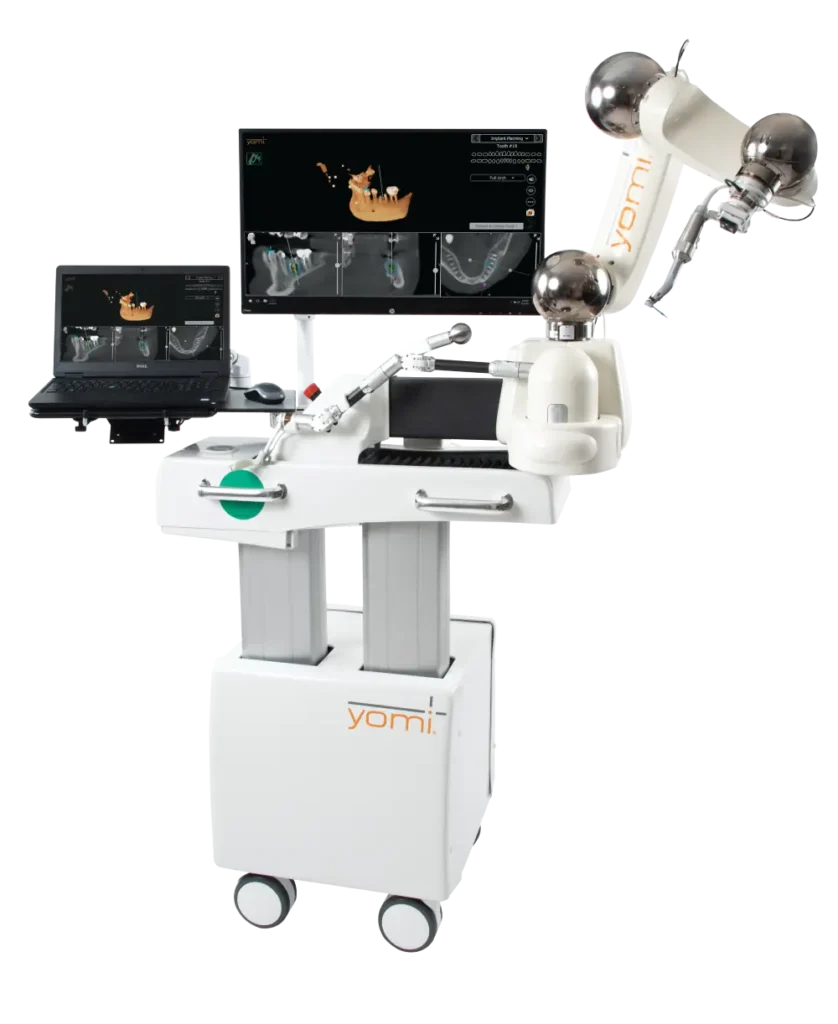
We’re proudly offering Yomi®, the only FDA-cleared robotic platform designed for dental implant surgery. Yomi tracks movements in real-time and prevents any
off-plan movements through haptic feedback and multisensory guidance. Clinical research has shown that Yomi is the most accurate modality for implant surgery.


